Ethiopia and Norway Collaborate to Advance Forest and Climate Finance
Published: Jan. 21, 2026
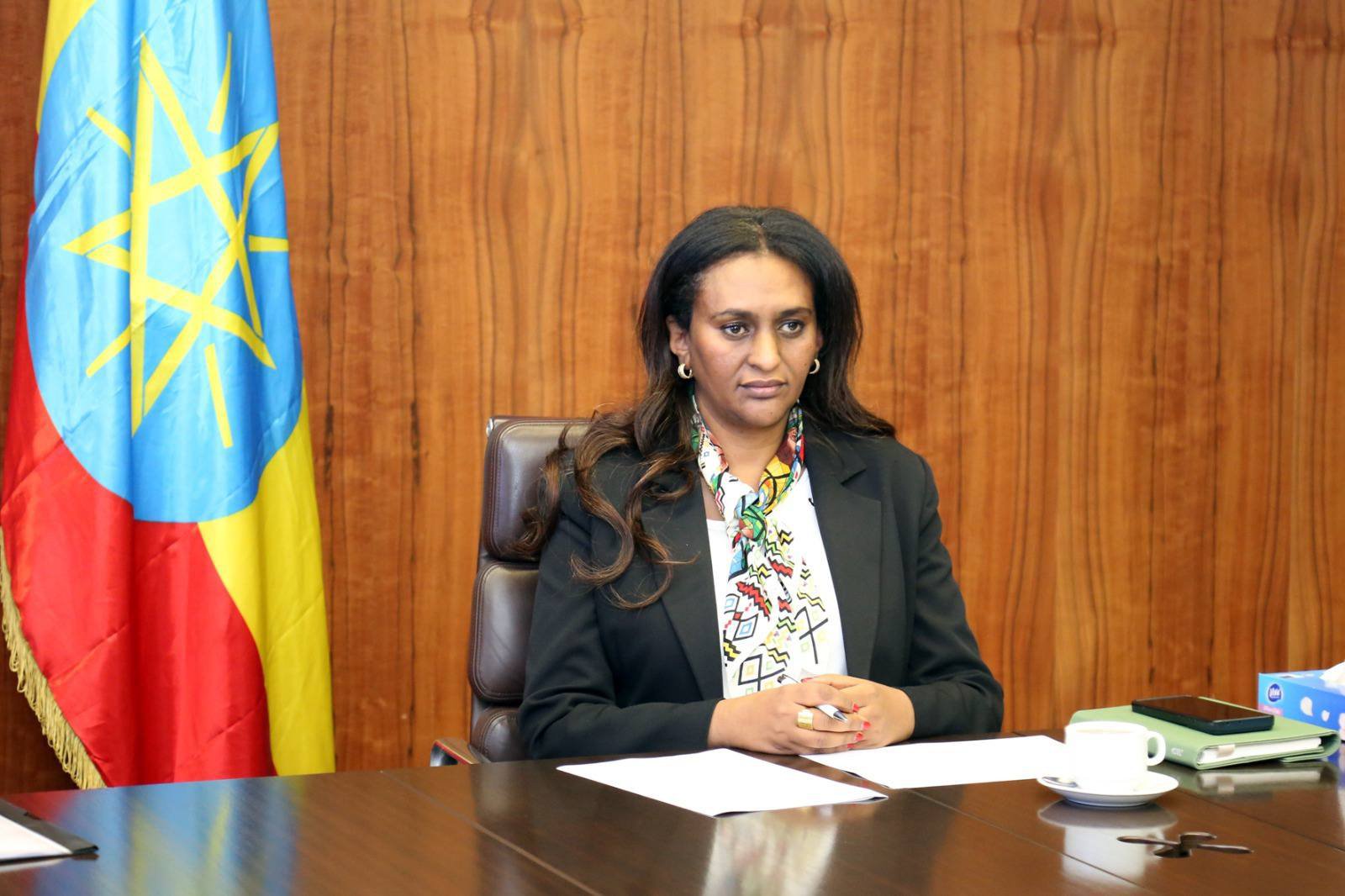
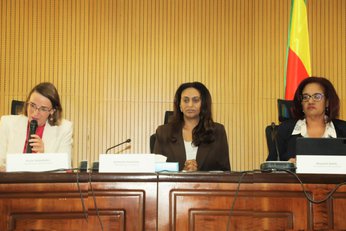
ADDIS ABABA, January 20, 2026 – The Ministry of Finance convened the Joint Consultation Group under the Ethiopia–Norway Partnership on Forest and Climate Change, co-chaired by H.E. Semereta Sewasew, State Minister of Finance, and H.E. Stian Christensen, Ambassador of Norway to Ethiopia. The meeting focused on reviewing progress under the 2024 Partnership Agreement and shaping the future direction of the REDD+ Investment Program beyond June 2026.
State Minister Semereta Sewasew emphasized that climate change is an immediate and tangible challenge for Ethiopia, with recurrent droughts and floods affecting livelihoods, food security, and economic stability. She reaffirmed the government’s strong commitment to the partnership and highlighted the importance of sustainable and participatory forest management. By involving local communities in forest stewardship, Ethiopia aims to align conservation objectives with economic incentives, reduce deforestation pressures, strengthen social cohesion, and safeguard long-term forest productivity.
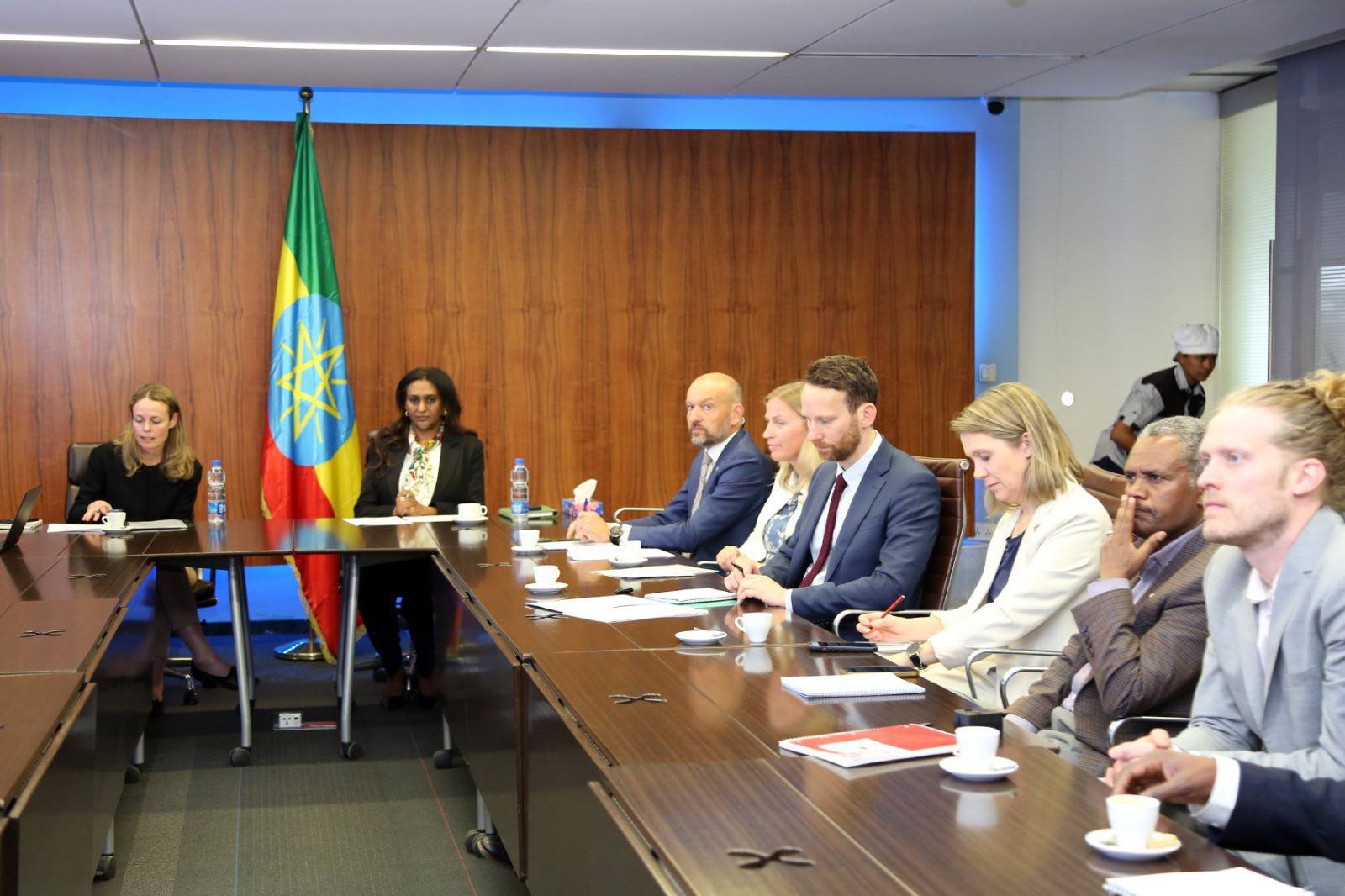
The meeting also acknowledged the leadership of H.E. Dr. Abiy Ahmed’s Green Legacy Initiative, which has strengthened coordination across federal, regional, and local institutions and contributed to Ethiopia being selected as host of COP32 in 2027.
State Minister Semereta highlighted Norway’s exceptional contribution, noting that Norway has been a foundational partner in Ethiopia’s REDD+ architecture since 2013. Beyond financing, Norway has supported institutional, technical, and fiduciary capacity development across government institutions responsible for forest management, climate policy, land administration, and environmental protection. This support has strengthened Measurement, Reporting, and Verification systems, safeguards, and carbon accounting frameworks, enabling Ethiopia to advance towards results-oriented forest climate finance.
She further noted that carbon credit transactions under the partnership are nearing finalization, reflecting the maturity of Ethiopia’s institutional systems and the effectiveness of Norway’s capacity-building support. The anticipated completion of these transactions will mark a major milestone in Ethiopia’s transition toward market-linked climate finance.
Ambassador Stian Christensen commended Ethiopia’s strong ownership and progress, emphasizing Norway’s continued commitment to supporting the country as it works towards results-based payments, an approach that rewards verified outcomes, reinforces accountability, and promotes long-term sustainability.
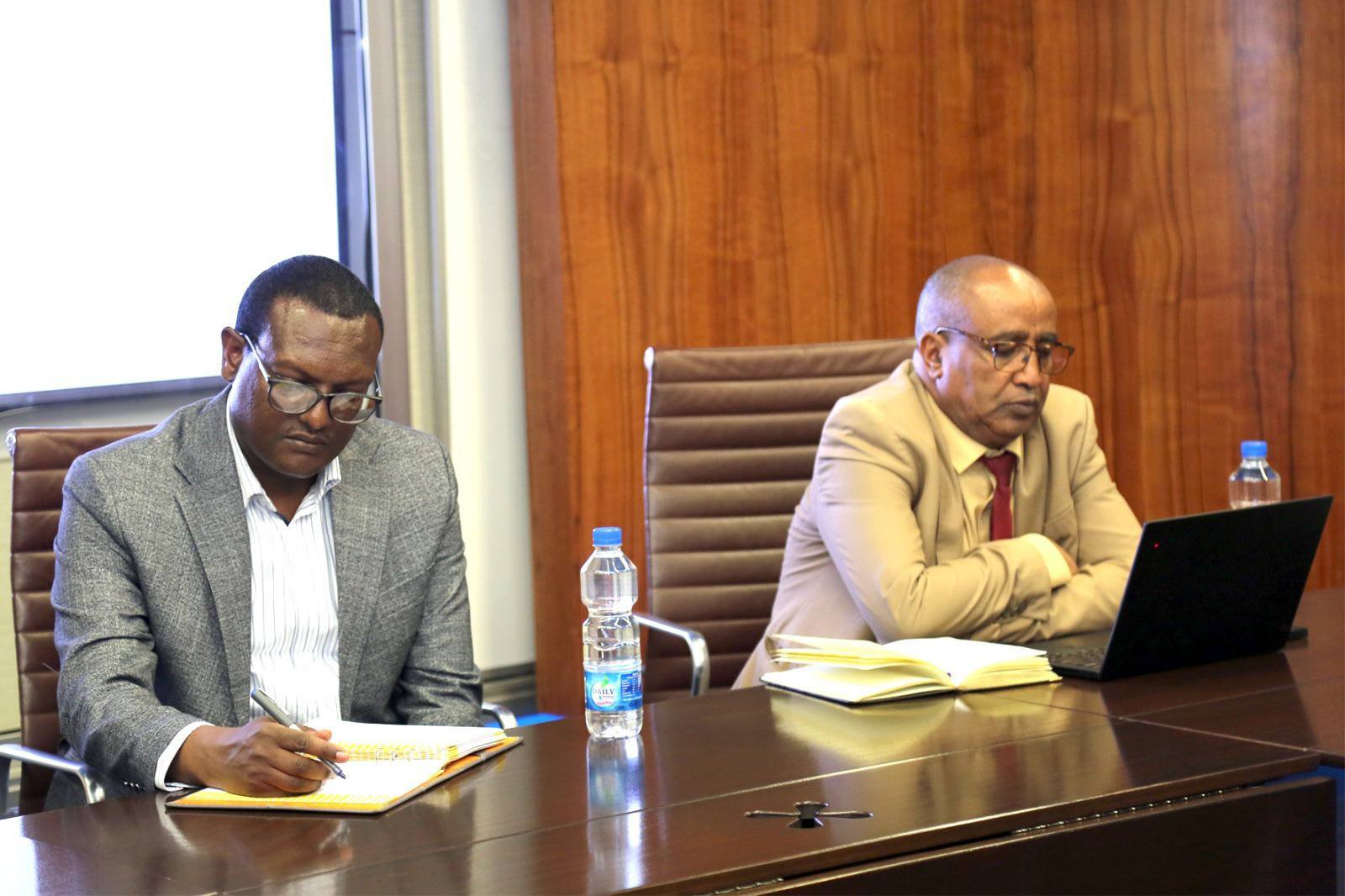
The forest sector remains a central pillar of Ethiopia’s economic and environmental resilience. Well-managed forests enhance agricultural productivity, stabilize water systems, reduce land degradation, and improve resilience to climate shocks, while participatory management ensures these benefits are shared equitably. Strong institutional leadership, supported by Norway’s long-term partnership, is essential for sustaining these outcomes.
H. E. Dyveke Rogan, the Deputy Director of Norway’s International Climate and Forest Initiative (NICFI) noted that the REDD+ Investment Program III will follow a blended financing framework for 2026–2030. She added that the program will build on Norwegian support of USD 60 million, USD 40 million from the Green Legacy Initiative Special Fund, and additional resources carried forward. This next phase aims to deepen participatory forest management, strengthen institutional coordination, accelerate land restoration, and advance Ethiopia’s work towards results-oriented forest finance while mobilizing private sector investment.
In conclusion, State Minister Semereta Sewasew expressed deep appreciation for Norway’s sustained partnership and innovative financing approaches, emphasizing that Norway’s support has been instrumental in positioning Ethiopia as a credible leader as it works towards results-oriented forest climate finance, empowering communities, and ensuring long-term economic, environmental, and climate resilience.