Ethiopia Advances Integrated Approach to Refugee and Host Community Development
Published: April 30, 2026

ADDIS ABABA, April 30, 2026 — The Government of Ethiopia, in collaboration with the Refugees and Returnees Service (RRS) and UNHCR, convened a high-level national validation workshop to advance the Makatet Roadmap, a strategic framework aimed at strengthening an integrated approach to refugee and host community development. The workshop focused on validating the roadmap’s priorities and implementation arrangements while reinforcing its anchoring within national systems and development frameworks.
The workshop brought together senior officials from federal and regional government institutions, development and humanitarian partners, and key stakeholders engaged in refugee protection and service delivery. Discussions centered on validating priority areas, clarifying institutional roles, and strengthening coordination mechanisms to support effective and coherent implementation.
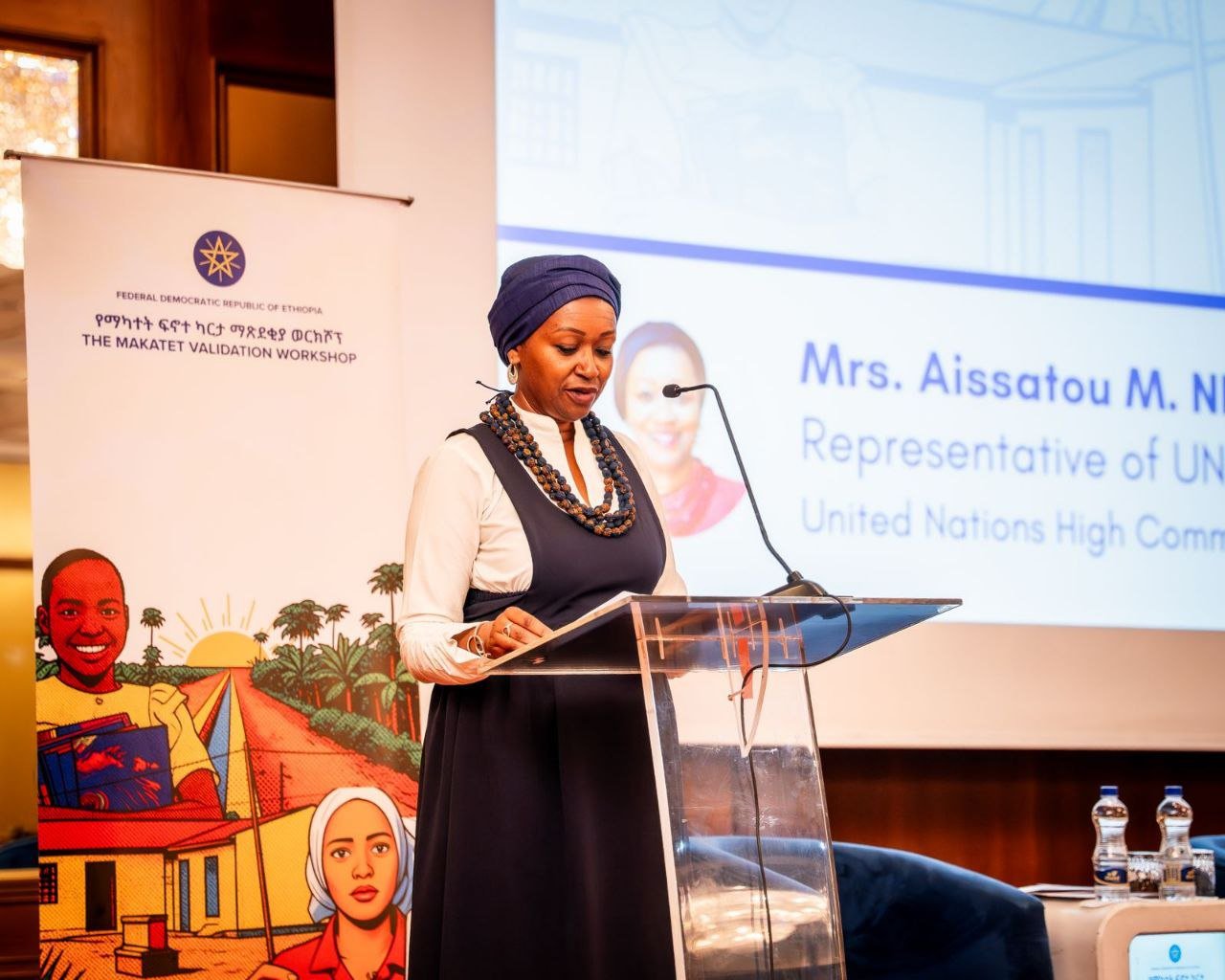
A central feature of the workshop was the keynote address by H.E. Semereta Sewasew, State Minister of Finance, who underscored the importance of ensuring that the Makatet Roadmap is both well-anchored within national systems and grounded in practical implementation realities.
H.E. Semereta emphasized that the effectiveness of the roadmap will depend on strong institutional coordination, clear accountability, and alignment with national planning processes. She noted that while Ethiopia remains committed to advancing inclusive approaches that benefit both refugees and host communities, implementation must be guided by realism, prioritization, and efficiency.

She further highlighted that the evolving global financial landscape requires a more deliberate and disciplined approach to planning and resource utilization. In this context, she stressed the importance of ensuring that the roadmap reflects credible resource assumptions, promotes efficient use of available financing, and supports sustainable service delivery in refugee-hosting regions.
Participants echoed the need to strengthen delivery systems in refugee-hosting areas, enhance institutional capacity at all levels, and ensure that implementation arrangements are both coordinated and actionable. They underscored the importance of a strong and proactive secretariat to drive coordination, maintain momentum, and support follow-through on agreed priorities.
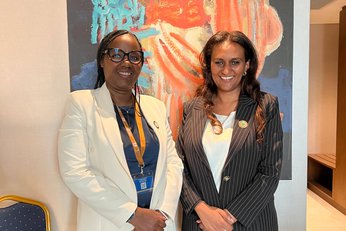
The Director General of the Refugees and Returnees Service (RRS), Teyiba Hassen, reaffirmed Ethiopia’s long-standing commitment to refugee protection and highlighted ongoing efforts to further integrate refugee response within national development planning. She emphasized the importance of clearly defined institutional mandates, strengthened collaboration across levels of government, and improved delivery of essential services in refugee-hosting communities.

Participants also stressed that while Ethiopia continues to host one of the largest refugee populations in Africa, sustained international cooperation and predictable burden-sharing remain critical to complement national efforts. At the same time, they acknowledged the need to adapt to a changing global financing environment by strengthening efficiency, coordination, and strategic prioritization.
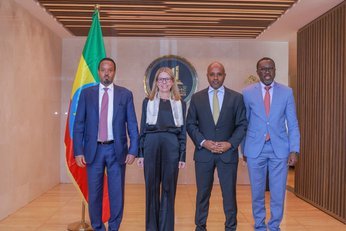
On the margins of the workshop, a meeting was held with Raouf Mazou, Assistant High Commissioner for Operations at UNHCR. Discussions focused on strengthening operational coordination and supporting the effective implementation of the Makatet Roadmap in alignment with national priorities. Both sides reaffirmed their shared commitment to advancing coordinated and sustainable solutions for refugees and host communities.
The validation workshop marks an important step toward operationalizing the Makatet Roadmap and reinforcing coherence between humanitarian and development efforts. It further reflects Ethiopia’s commitment to advancing inclusive, resilient, and sustainable outcomes for both refugees and host communities in an evolving global context.