Ethiopia Unveils Integrated Sustainable Financing Framework to Strengthen National Development
Published: April 24, 2026
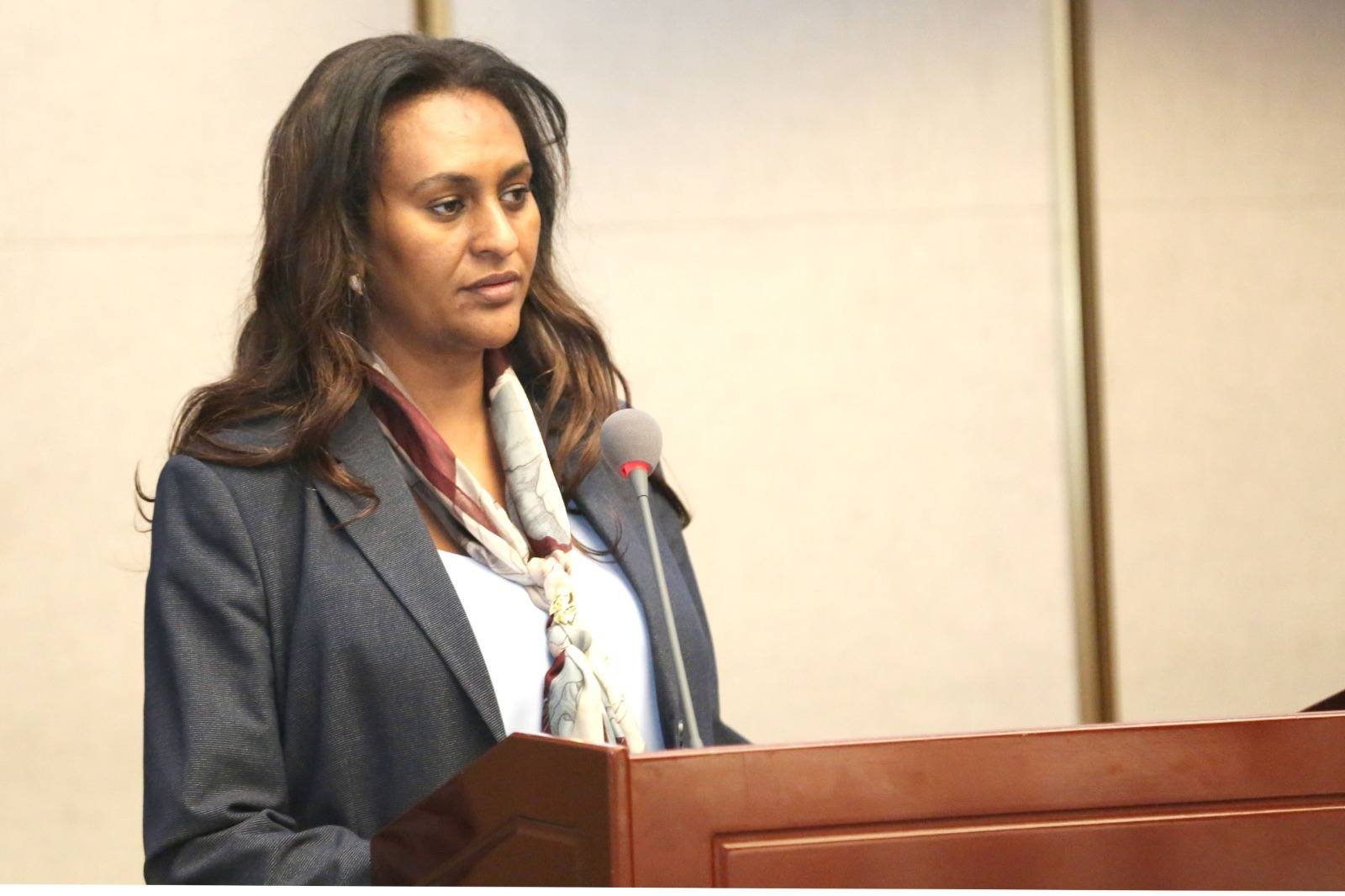
ADDIS ABABA – April 24, 2026 - The Government of Ethiopia officially launched the Ethiopian Integrated Sustainable Financing Framework (E-ISFF) and the establishment of its accompanying Country Platform today at the Skylight Hotel.
This initiative represents a strategic shift in how the nation coordinates resources to support its long-term development goals.
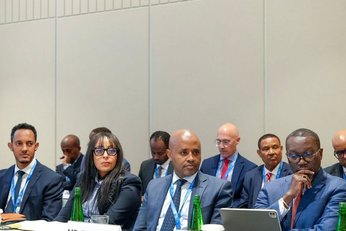
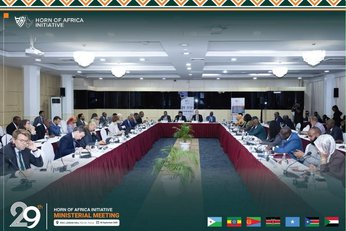
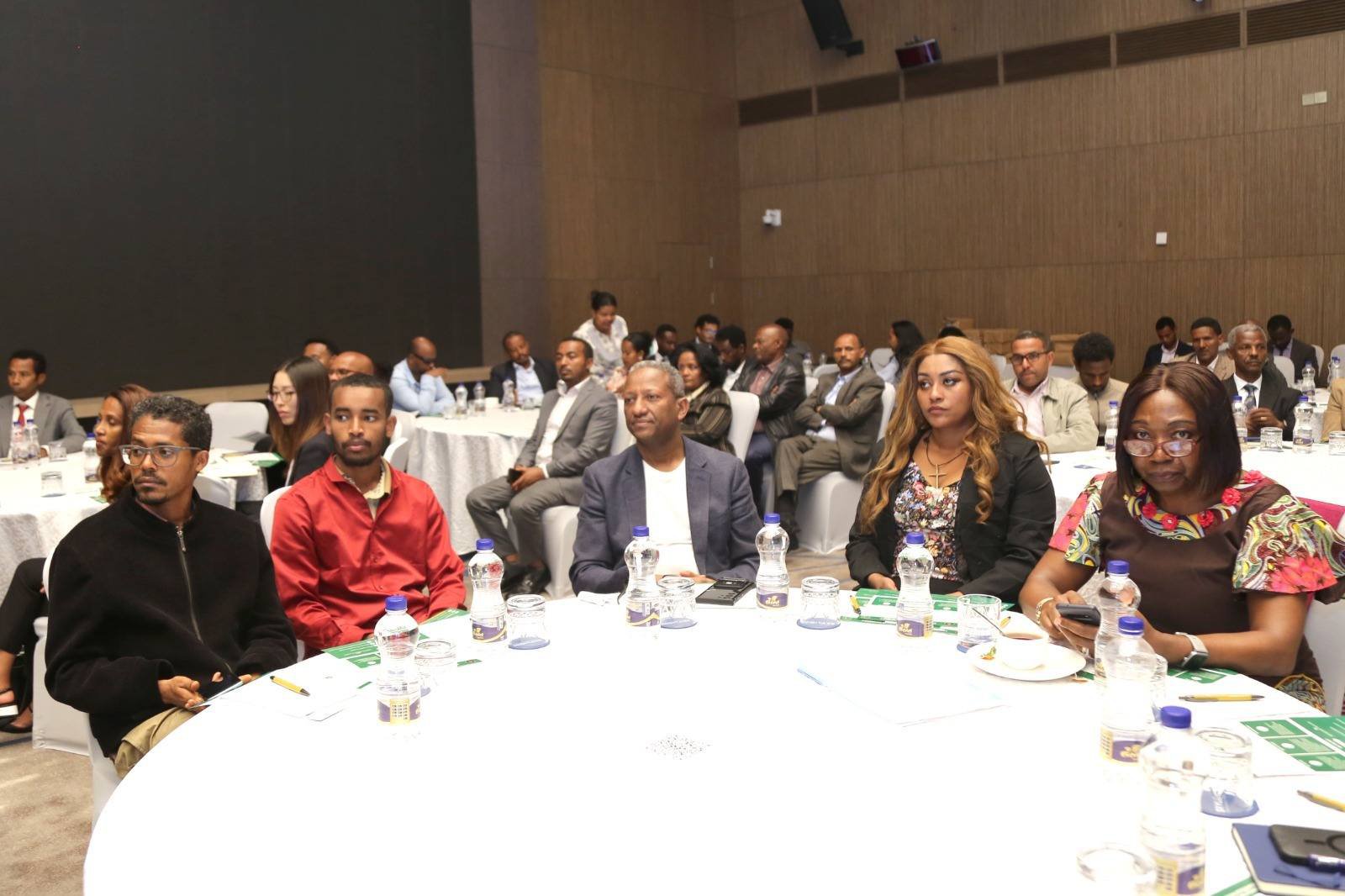
The launch, which brought together representatives from government, the private sector, and international development partners, marks a coordinated effort to align domestic and international financial resources with national priorities.
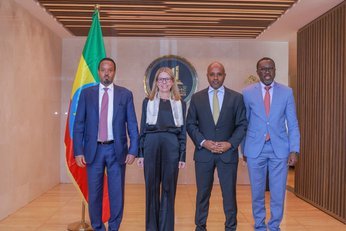
Aligning Policy and Implementation H.E. Semereta Sewasew, State Minister of the Ministry of Finance, highlighted that the E-ISFF is a key outcome of Ethiopia’s eight-year reform agenda aimed at revitalizing the economy and modernizing public institutions.
"This framework provides a comprehensive approach to aligning all sources of finance with national development priorities," H.E. Semereta Sewasew stated. She further noted that the Country Platform, which serves as the framework's implementation hub, will facilitate stakeholder coordination and assist in mobilizing financing for high-impact projects. To ensure transparency and results, the government is utilizing a Sector Working Group Milestone Tracker to monitor progress and address potential implementation bottlenecks.
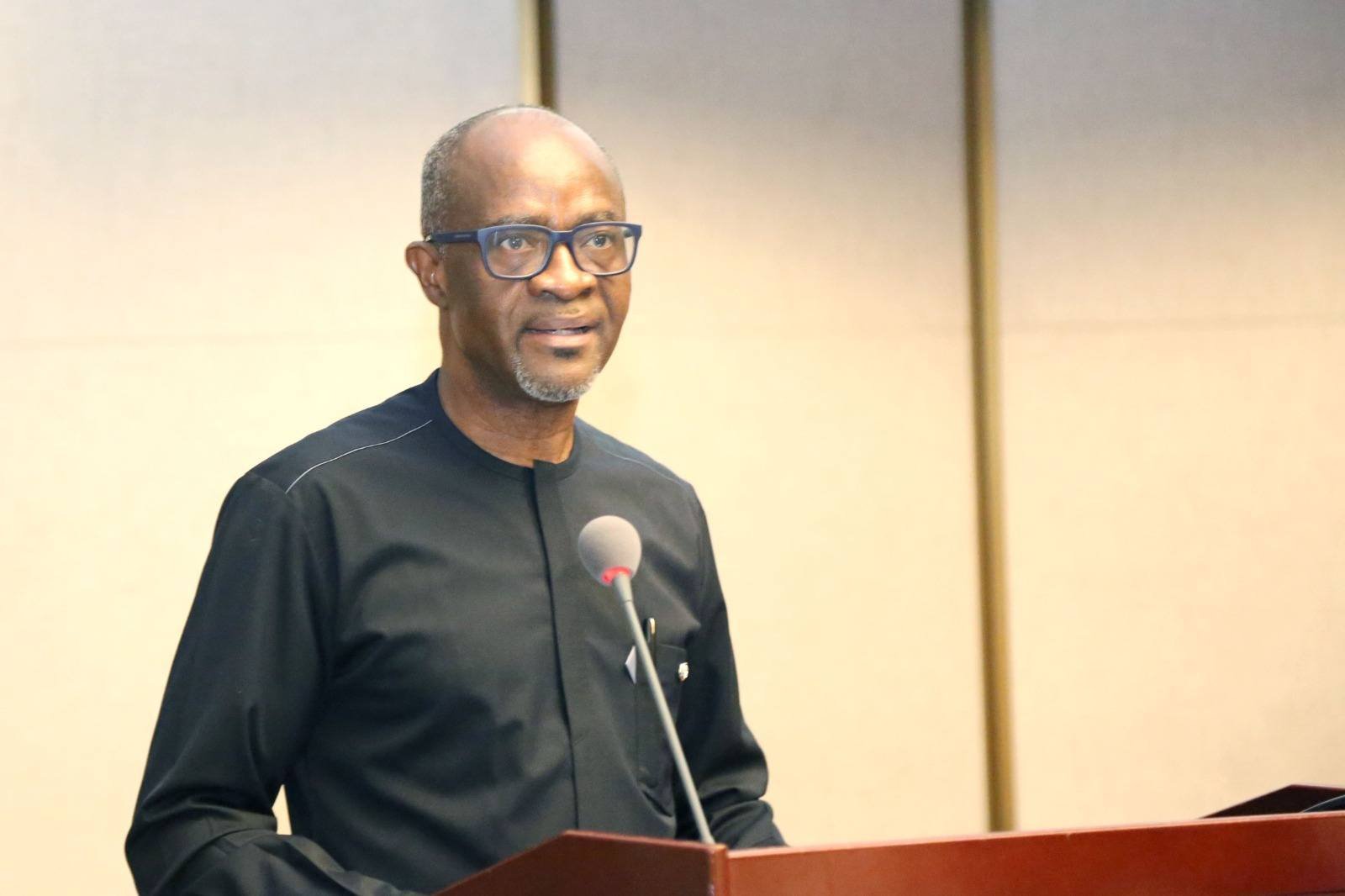
Bridging Planning and Financing Representing the Ministry of Planning and Development, Mr. Ketama Tufa emphasized that the framework provides a necessary bridge between national goals and tangible action. He explained that sector ministries can use the EISFF to move beyond identifying needs to actively preparing bankable pipelines.
Dr. Samuel Doe, Resident Representative of the UNDP, framed the launch as a decisive shift toward national sovereignty in development financing. He noted that the EISFF aligns Ethiopia with over 80 other countries that have adopted similar integrated frameworks to transition from short-term budgeting to strategic, sustainable financing.
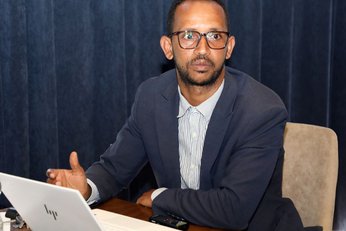
Dr. Wondwosen Getaneh, the lead expert, explained that the framework is carefully crafted to harness Ethiopia’s distinctive sources of financing. He emphasized that one key area is domestic resource mobilization, where efforts are focused on enhancing tax policies and administration to ensure a steady flow of revenue.
Additionally, he pointed out the importance of leveraging private capital through various channels, including capital markets, public-private partnerships, and blended finance arrangements, all aimed at addressing infrastructure needs.
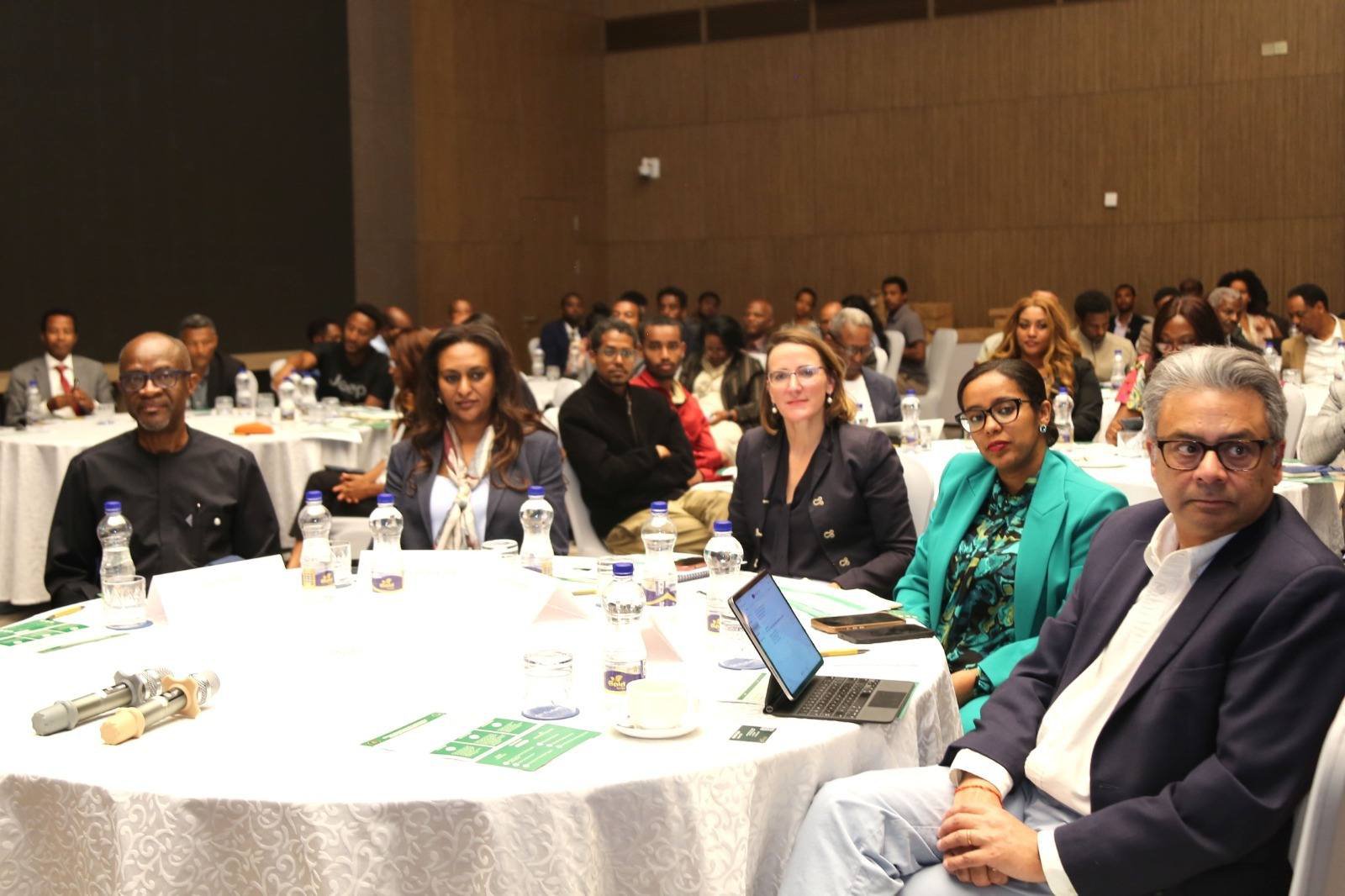
Moreover, Dr. Samuel Doe highlighted the potential of engaging the Ethiopian diaspora by creating structured financial instruments like bonds and investment facilities. These tools are designed to transform remittances into sustainable, long-term development capital, further fueling the country’s growth agenda.
Development partners expressed their commitment to support the implementation of the program and urged the leadership to make the program a reality. The government expressed its commitment to working with all partners to operationalize the framework, ensuring that Ethiopia’s development pathway is resilient, inclusive, and owned by all Ethiopians.